
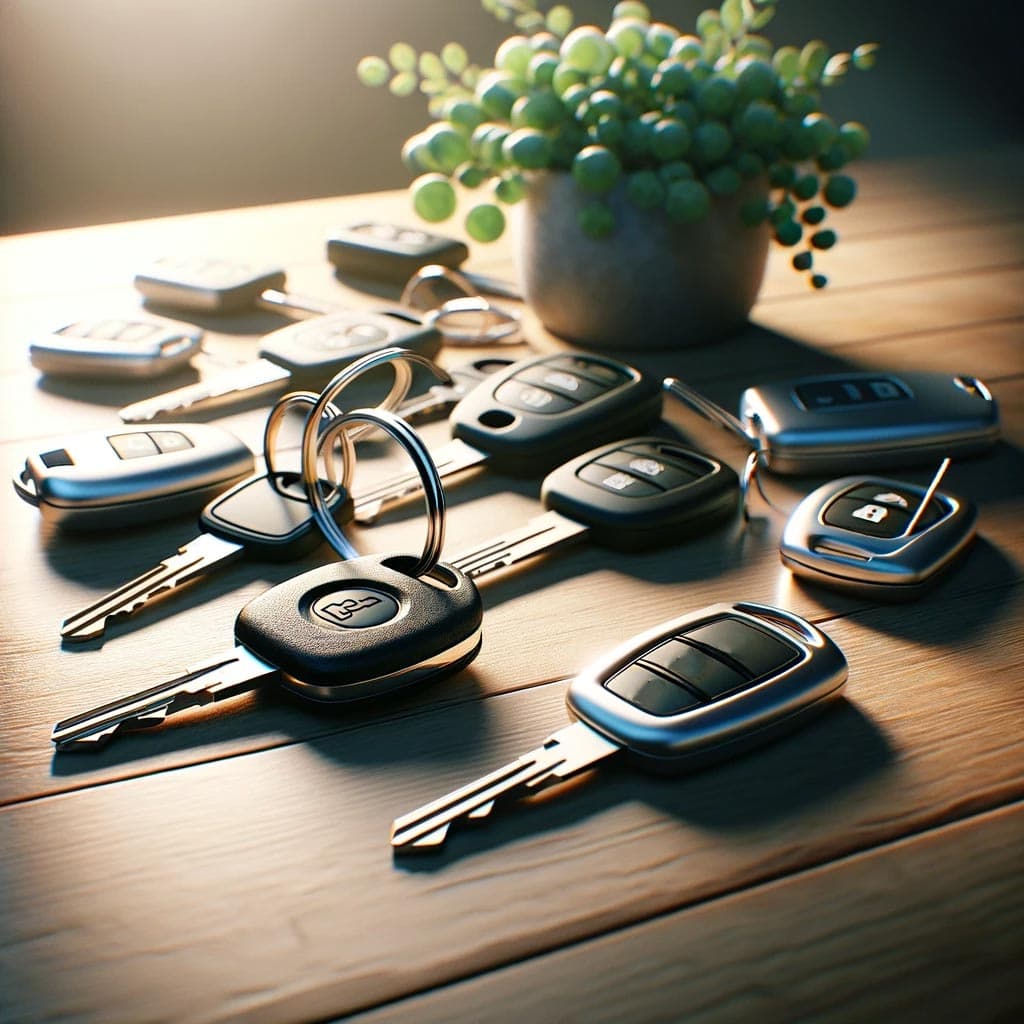
Spare Keys for Cars: A Must-Have or an Optional Extra?
We often meet drivers who come to us with one working car key and a simple problem that suddenly turned into a headache: the only key is lost, damaged or no longer starts the car. At that moment a spare key stops being “optional” and becomes the difference between getting on with your day or waiting for help on a parking lot. In this article we share what we see in real jobs and explain when a spare key really pays off.
Why Consider Spare Car Keys?
As long as the main key works, it feels like enough. But once you are standing next to a locked car, checking the same pockets for the fifth time, the picture changes very quickly. We have been called out to supermarkets, driveways and offices where the story is always similar: the car was bought with one key, the driver kept meaning to get a spare made and the problem appeared at the worst possible time. A spare key simply gives you a way to unlock and start the car without drama, so you can deal with repairs or programming later, when you have time and a clear head.
The Process of Getting Spare Keys
From the outside, modern keys look complicated: chips, remotes, keyless systems and immobilizers. In practice, the process for the customer is straightforward. When you visit us with at least one working key, we identify the key type and your vehicle, cut the mechanical part on the correct blank and program the electronics so the car recognizes the new key as if it came from the factory. For older models this can be as simple as cutting a metal key. For newer cars it usually includes programming a transponder or remote, but for you the result is the same – you leave with a spare key that starts and opens the car just like the original.
Cost Considerations
There is a big difference between making a duplicate while you still have a working key and rebuilding everything after all keys are lost. In the first case we can use the existing key and the car to read the data we need and program a new one faster, so the total cost stays lower. In the second case we may have to open the vehicle, access security modules, program new keys from scratch and sometimes travel out to the car. That is why we look at a spare key more like a small insurance policy: you pay once, at a convenient time, instead of paying more in an emergency when you have no choice.
Spare Keys and Vehicle Security
A common worry is that more keys mean less security. What really matters is not the number of keys, but where they are kept. A spare key left in the glove box with the registration is a bad idea. A spare key stored safely at home or given to someone you trust does the opposite – it keeps you from having to break into your own car or bypass security because you lost the only key. When we hand over new keys, we always suggest avoiding full address labels on keyrings and contacting us if you think a key was stolen, so we can reprogram the system and block that key from starting the vehicle.
Why Being Prepared Matters
Most people remember about a spare key only once – after something has already gone wrong. Almost every time we help someone who has lost their only key, they say the same thing: they had been planning to get a duplicate for a while but kept putting it off. If you are driving around with just one working key today, this might be the right moment to fix that. We can explain what is possible for your specific car, how long it will take and what the options are, so that the next time you grab your keys, you do it without thinking about what will happen if that one key suddenly disappears.
Our goal is simple: you should only think about your car keys when you pick them up to drive, not when you are stuck next to a locked vehicle, wondering who to call and how much it will cost.